
I was reminded last week of just how unrealistic the idea is that AI will completely replace QA engineers.
A senior QA engineer spotted a critical bug that 3 automated tools had completely overlooked.
On the face of it, everything worked fine tech-wise. But the moment a user entered their name with special characters, the whole checkout process fell apart.
And you know what? The bug only affected about 0.1% of users — but it was still very real.
This situation highlights a bigger issue in modern software testing.
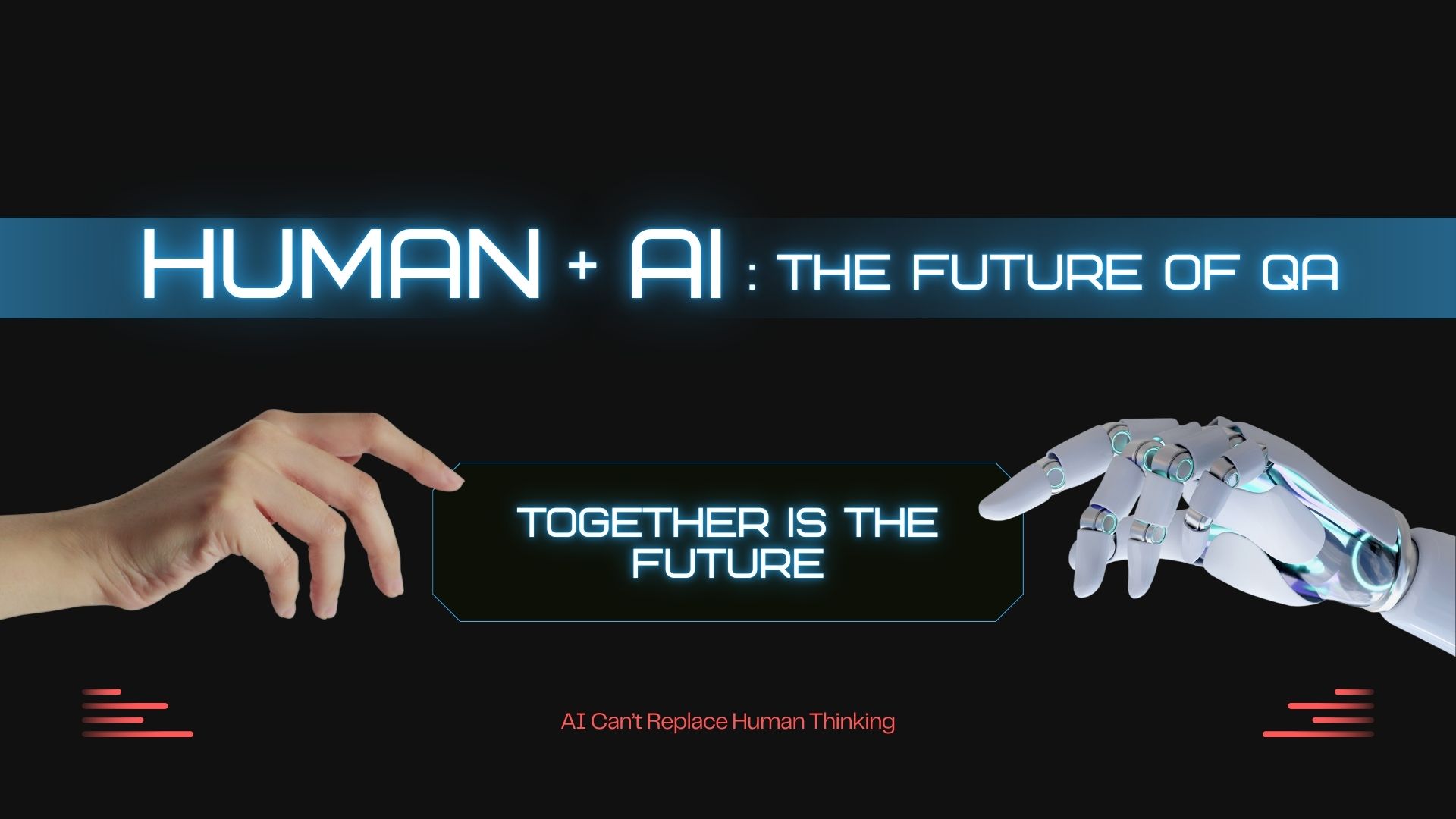
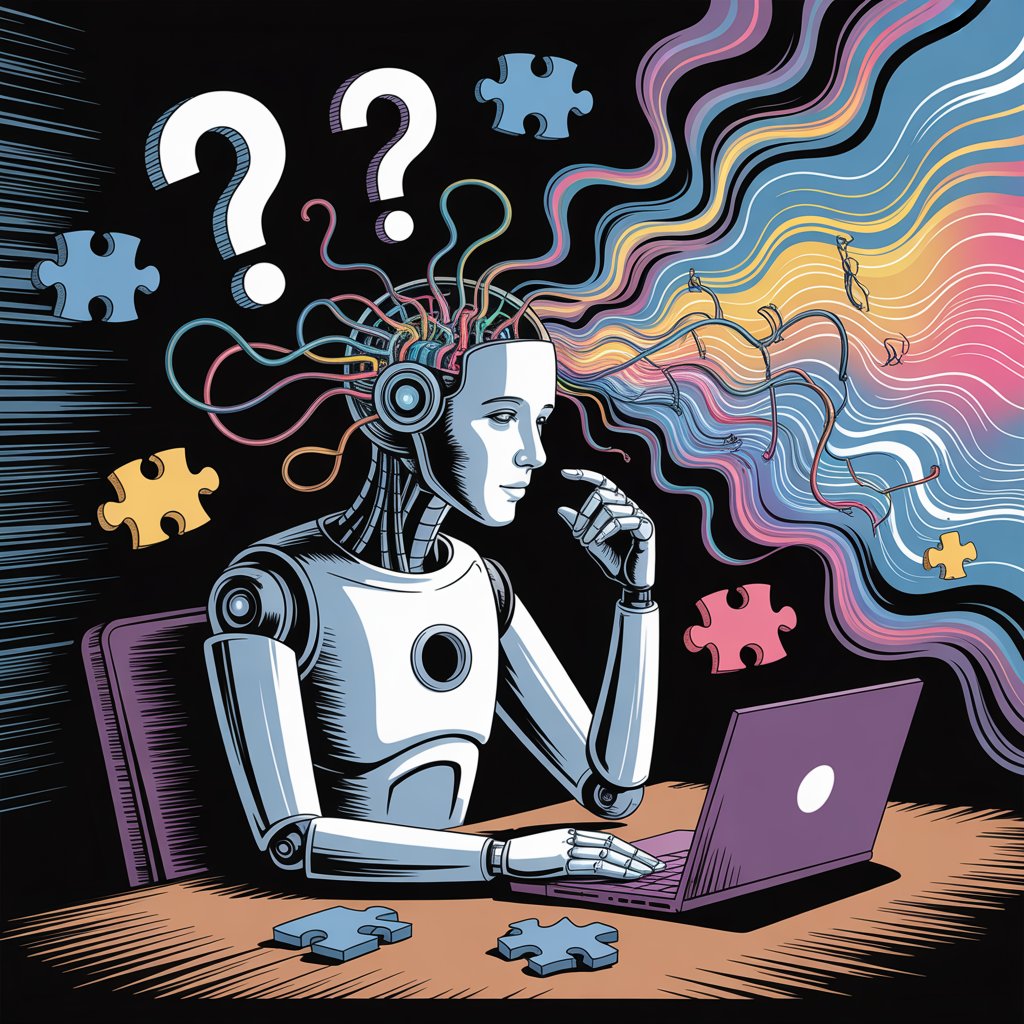
The thing is, AI didn’t fail because it’s weak — it failed because it doesn’t think like a human.
AI is Powerful — But Not Complete
Let’s face it — AI in testing is incredibly impressive.
- Run thousands of regression tests using tools like Playwright
- Automate workflows with Cypress
- Analyze logs and simulate performance scenarios
I’ve seen teams reduce testing time by 60–70% using automation.
But even the best teams still rely on human testers for the complex stuff.
Where AI Struggles
AI works best when:
- The problem is clearly defined
- The data already exists
- The rules are structured
But real-world testing isn’t that simple.
1. Business Sense
AI can tell if a button works — but not whether it makes sense for the business.
2. The Unpredictable
If something wasn’t part of the training data, AI often ignores it.
3. User Experience
AI doesn’t feel confusion or frustration like real users.
What QA Engineers Bring to the Table
1. Critical Thinking
Good testers challenge assumptions and ask the right questions.
2. Real-World Understanding
QA engineers understand customers, workflows, and business goals.
3. Empathy
Humans think like users — AI doesn’t.
The Role of QA Is Evolving
QA isn’t going away — it’s evolving into Quality Engineering.
- Design test strategies
- Work with AI tools
- Focus on high-impact testing

The Future: Humans + AI Working Together
AI handles:
- Repetitive testing
- Data-heavy analysis
Humans handle:
- Exploration
- Edge cases
- User experience
Skills QA Engineers Should Focus On
- Automation tools (Playwright, Cypress)
- API testing (Postman)
- Basic AI/ML understanding
- Performance & security testing
- UX and accessibility
- Critical thinking
The Last Word
AI will change testing — but it won’t replace QA engineers.
Because quality is not just about passing test cases.
It’s about:
- Understanding people
- Thinking beyond scripts
- Catching what others miss
Want to scale testing with AI + Human expertise? Let’s Connect!
❓ Frequently Asked Questions (FAQs)
1. Will AI completely replace QA engineers in the future?
No. AI will automate repetitive tasks, but human testers remain essential for critical thinking and real-world testing.
2. What are the biggest limitations of AI in software testing?
- Understanding business context
- Handling edge cases
- Evaluating user experience
- Making subjective decisions
3. How is the QA role changing?
QA engineers are moving from manual testing to strategy, AI collaboration, and quality ownership.
4. What skills should QA engineers learn?
- Automation (Playwright, Cypress)
- API testing (Postman)
- AI basics
- UX testing
- Critical thinking
5. Is manual testing still relevant?
Yes — especially exploratory and usability testing.
6. Should QA engineers worry about AI?
No. QA engineers who use AI will grow faster.